Cruise Ship Refit Network Upgrades: A Planning Guide
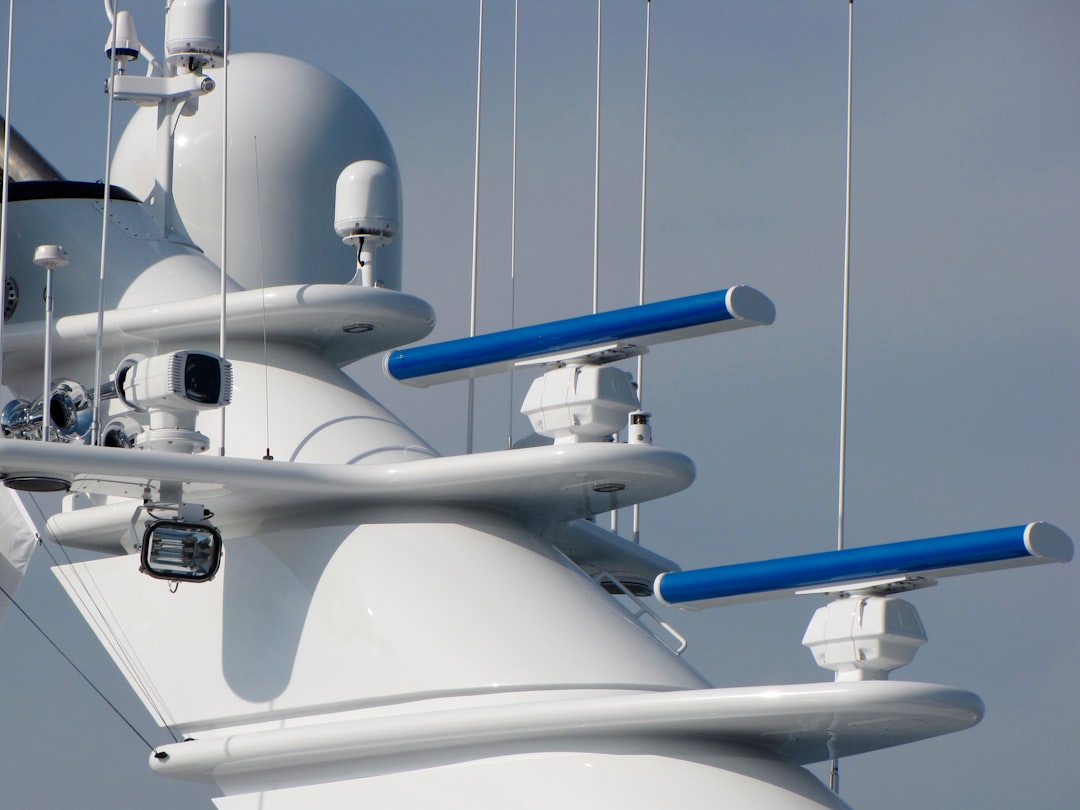
A cruise ship spends the overwhelming majority of its operating life at sea or in port, earning revenue. The windows when it sits idle in a shipyard, hull exposed and systems opened up for work, are short, infrequent, and scheduled years in advance. Any network upgrade that requires access to the hull, overhead spaces, or structural runs — new backbone cabling, satellite dome mounts, server room relocations — can only happen during that window. Miss the scope, misjudge the timeline, or let a vendor's lead time blow past the docking date, and the project doesn't just slip a few weeks. It waits for the next refit, which may be years away.
Why the Refit Window Is So Narrow — and Non-Negotiable
Dry-docking isn't optional, and it isn't scheduled around a network upgrade's convenience. Classification society rules require it. Under the IACS recommendations that flag states and class societies apply, a ship must undergo a minimum of two dry-dock surveys within each five-year special survey cycle, with no more than 36 months between them. That schedule is fixed by regulation, not by a fleet IT manager's project calendar — and whatever network work needs hull or structural access has to fit inside whatever window the hull inspection and mechanical overhaul leave available.
That window tends to be measured in weeks, not months. Cruise lines' own 2025 schedules illustrate the range: AIDAdiva spent seven weeks in dry dock at Chantier Naval de Marseille for a full Evolution Program refit, Royal Caribbean's Liberty of the Seas was booked for roughly four weeks, and Norwegian Cruise Line's Bliss-class ships typically plan on four to six weeks depending on scope. A network project team sharing that yard with hull painting crews, mechanical overhauls, and interior renovation contractors realistically has a fraction of that total window for its own work — which is exactly why planning has to start long before the ship ever reaches the yard.
We've written separately about what a single day of network downtime actually costs a cruise ship while in service — the same logic applies in reverse during a refit. Every day a network contractor isn't ready to work the moment access opens is a day the yard calendar doesn't give back.
What Actually Has to Happen in Dock — and What Can Wait
Not every network task needs the ship to be in dry dock. Sorting the scope correctly, well before the yard date, is what keeps the in-dock window usable for the work that genuinely requires it:
- Requires dry dock or major structural access: new backbone trunk runs through decks and bulkheads, satellite and radome antenna mounts on the superstructure, server room or MDF/IDF relocations, under-deck or void-space cabling, and anything requiring hull penetrations or fire-zone boundary crossings that need class society sign-off.
- Benefits from dock time but doesn't strictly require it: stateroom switch and access point replacement, in-cabin cabling refreshes, and common-area Wi-Fi densification — these need the ship to be largely empty of guests, which a refit period provides, but don't require hull access specifically.
- Can be done pier-side, underway, or in normal service: firmware and software updates, configuration changes, workstation and PMS terminal swaps, and most cybersecurity hardening work. Scheduling these for the refit window only because "the ship is already down" often creates unnecessary contention for scarce yard labor and space.
Getting this triage wrong in either direction is costly: scheduling structural work for a period when the ship is only pier-side wastes the project, while scheduling routine software work for the dry-dock window crowds out the irreplaceable slot that only dry dock provides.
What a Full Refit Actually Involves: The Oasis of the Seas Revitalization
Major refits give a sense of scale. Royal Caribbean's Oasis of the Seas Revitalization project — documented as a completed case study by its network infrastructure contractor — involved installing more than 900 new CAT6 cable runs, replacing more than 2,000 twelve-port network switches across passenger and crew staterooms, and installing more than 2,000 Wi-Fi access points to rebuild connectivity fleet-wide for in-stateroom entertainment, phone systems, and guest data access. That is the scope of a ship-wide revitalization, not a routine intermediate docking — most refits touch specific zones (a deck, a venue, a backbone segment) rather than recabling an entire vessel — but it illustrates why "redo the network" is never a task that fits into a spare afternoon pier-side.
"A refit window doesn't get extended because a vendor's switches arrived late. The dry dock calendar is fixed; the only variable a network team actually controls is how ready it is before the ship ever reaches the yard."
The Planning Timeline: Start Before the Ship Reaches the Yard
Because the window is both short and immovable, the planning work that actually determines success happens months earlier, while the ship is still in service:
- Audit the existing network while the ship is still sailing. Document backbone routing, switch inventory, access point placement, and known weak points well before the refit is scoped, so the in-dock work list is based on data rather than guesswork assembled at the last minute.
- Order hardware against realistic lead times, not the yard date. Switches, access points, structured cabling, and satellite hardware can have procurement lead times that stretch past the available planning window if ordered late; align purchase orders to the refit calendar as soon as it is confirmed, not once the ship arrives.
- Coordinate with the trades sharing the same compressed schedule. Hull painting, mechanical overhauls, and interior renovation crews are competing for the same limited yard days and often the same physical access points (ceiling voids, cable runs, riser closets); a network contractor who hasn't coordinated access windows with the general contractor will lose time waiting for spaces to clear.
- Define and freeze the scope before the yard locks its schedule. A refit scope that keeps changing once the ship is in dock turns a planned project into a reactive one, with labor and materials scrambling to keep pace with decisions that should have been made months earlier.
- Stage equipment and documentation in advance. Pre-terminated cable assemblies, pre-configured switches, and clearly labeled as-built drawings reduce the amount of in-dock labor needed for work that could largely be prepared beforehand.
Keeping Connectivity Alive When "In Dock" Doesn't Mean "Offline"
A ship in refit still needs working connectivity — for the skeleton crew aboard, for the shipyard's own project management and safety systems, and for remote monitoring of systems that stay active during the work. As the yacht refit sector has also found, temporary connectivity — 4G/5G backup or a secondary satellite link — keeps a vessel's communications and data flow running when its primary systems are intentionally taken offline for the refit itself. Planning that fallback link before work begins avoids a period where crew and project managers aboard a ship mid-refit have no reliable way to communicate at all.
A Practical Checklist for Fleet IT Managers Before the Next Refit
- Build and maintain a current network audit now, not when the next refit is announced — don't wait for the yard date to discover what you actually have aboard.
- Check your classification society's docking survey schedule for each vessel and work backward from it to set hardware procurement deadlines.
- Separate the scope into "requires dry dock," "benefits from dock time," and "can happen in normal service," and resist the urge to pile unrelated IT projects into the in-dock window.
- Coordinate access scheduling directly with the shipyard's general contractor, not just your own network vendor, to avoid losing time to overlapping trades.
- Confirm a temporary connectivity fallback for the refit period itself, before the primary network is taken down for work.
A structured pre-refit network assessment through our network infrastructure consulting services gives fleet IT managers a clear, documented scope and hardware plan well before the yard calendar is locked — which is the single biggest factor in whether a refit window is used well or wasted.
Partnering for a Refit That Doesn't Waste the Window
Maritime networks don't get upgraded on a convenient schedule — they get upgraded when the classification society calendar and the shipyard slot allow it, which is one of the many ways maritime networking differs from land-based networking. Treating the refit window as the constraint it actually is, and doing the planning work months before the ship ever reaches the yard, is what separates a refit that delivers a meaningfully better network from one that simply replaces hardware under time pressure.
If your fleet has a refit on the calendar and you want the network scope planned and ready before the yard date locks in, get in touch with our team for an assessment built around your vessel's actual docking schedule.